
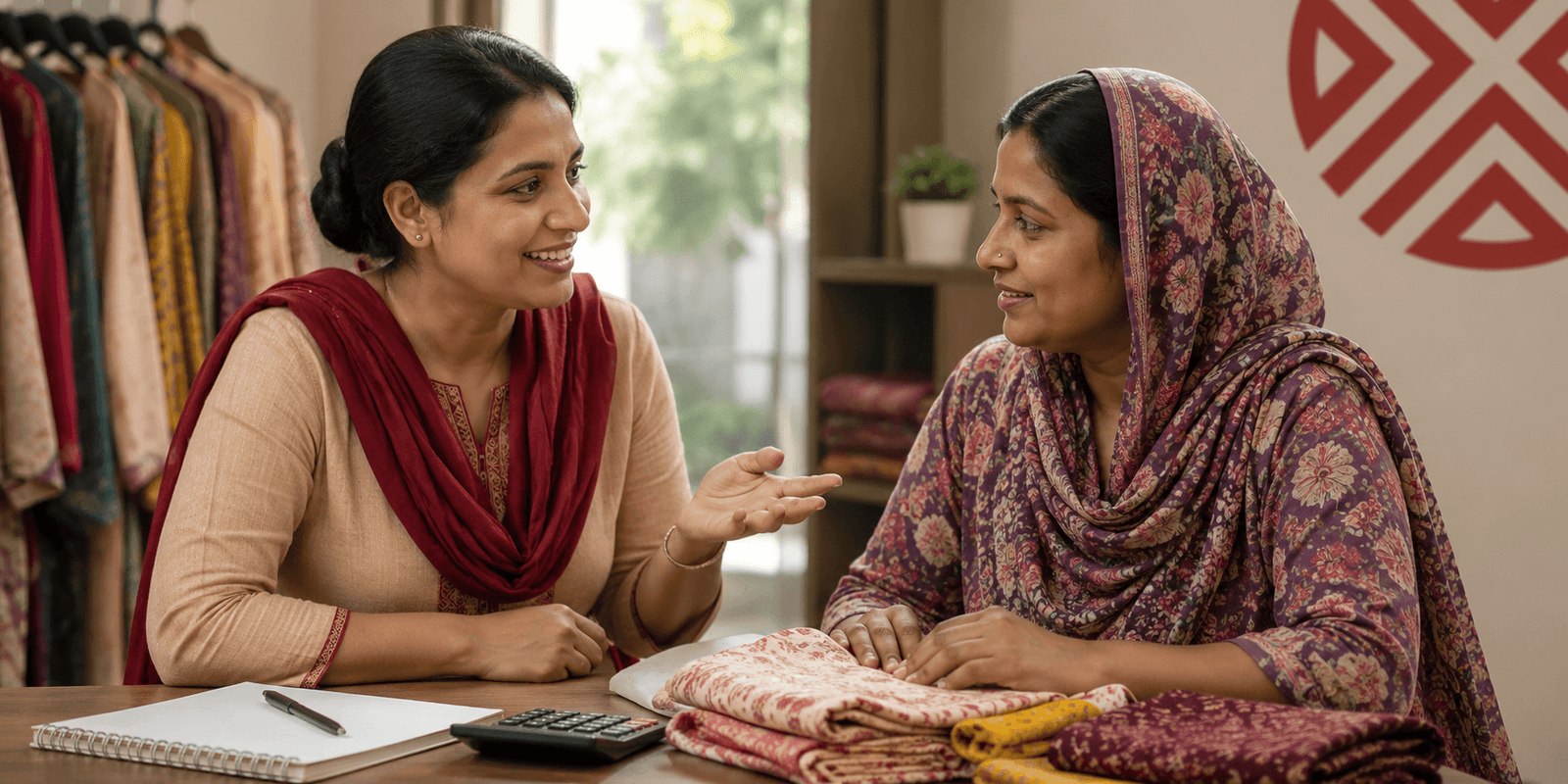
Every morning, my friend Tahera would take an Uber ride to her workplace. To avoid the daily hassle of booking a ride, she and another working woman had arranged a regular car with the same driver, Russel. Over time, the daily commute became more than just a journey through Dhaka’s busy streets. Like many people who see each other regularly, they exchanged greetings, shared stories, and occasionally spoke about life beyond work and traffic.
Through these conversations, Tahera learned about Russel’s family, particularly his wife, Fatema.
Fatema’s story was one of quiet resilience. Although Russel had studied up to Class 10, Fatema had completed her Intermediate education despite facing significant hardships. She had lost her father at an early age, yet she persevered and continued her studies through sheer determination.
Like many women, Fatema wanted to contribute financially to her family and provide more opportunities for her child. She had the motivation and willingness to work but lacked the resources, guidance, and opportunity needed to start something of her own.
A Family Struggling to Get Ahead
Life in Dhaka is expensive, especially for families dependent on a single income. Despite working hard, Russel found it increasingly difficult to meet the growing costs of household expenses, education, healthcare, and daily necessities.
Many people encounter similar situations. They want to improve their lives, do something meaningful in life but lack of support system holds them back.
Investing in Sustainability, Not Providing Charity
Tahera is a compassionate person by nature who is always looking for ways to support the needy.
Rather than offering a one-time financial handout, Tahera chose a different path. She decided to invest in a way that would empower Fatema economically, emotionally and socially.
With an initial capital of Tk 50,000, Fatema purchased affordable women’s clothing, primarily three-piece salwar kameez sets, from a local market. Russel helped source and transport the products.
But the financial support was not the only part. Tahera understood that knowledge to run the business was as important as capital.
The Power of Mentorship
To help Fatema develop the skills necessary to manage the business, Tahera invited her to her home over several days and provided practical training.
She taught Fatema how to:
- Track inventory
- Maintain sales records
- Calculate profits
- Set appropriate prices
- Manage cash flow
- Keep basic accounts
These lessons equipped Fatema with the confidence and knowledge to run the business independently. Her community became her customer base – friends, neighbors, and acquaintances started purchasing clothing from her.
Most importantly, Tahera structured the support as a partnership rather than a donation. A profit-sharing arrangement was introduced to encourage accountability, commitment, and long-term sustainability. The objective was to deter the tendency to drain the business capital into household finance. The goal was not dependency. The goal was empowerment.
Navigating the Ups and Downs
Like any small business, Fatema’s venture faced challenges. There were months when sales were slow and profits were modest. Some products remained unsold longer than expected. There were moments of uncertainty and frustration. Yet Fatema persevered.
Throughout the journey, Tahera continued to mentor and encourage her. Fatema regularly visited her to review accounts, discuss challenges, and share profits. These meetings served not only as financial check-ins but also as opportunities for guidance and motivation.
The festive seasons, particularly the two Eids, often brought a welcome boost in business. During these periods, customer demand increased significantly. To help Fatema take advantage of these opportunities, Tahera occasionally provided short-term loans ranging from Taka 10,000 to Taka 15,000 so that she could purchase additional inventory. After the Eid sales, Fatema repaid the loans from her earnings.
She is now planning to expand her inventory by including affordable, good-quality export-surplus garments. She is now competent enough to explore growth opportunities.
The business remains modest, but its impact has been meaningful and lasting.
This cycle of trust, responsibility, and growth strengthened both the business and Fatema’s confidence as an entrepreneur. She has become self-reliant and can now source the products from various markets without Russel’s help.
Small Numbers, Big Impact
Today, more than two years after the business began, Fatema continues to operate and expand her venture. On average, she earns a monthly profit of approximately Tk 3,000. During Eid seasons, profits can rise to as much as Taka 10,000.
To some, these figures may appear modest. However, for Fatema and her family, the impact has been significant. The additional income helps cover her child’s annual school fees and other important household expenses. It also allows her to save for emergencies and future needs—something that was previously difficult to achieve.
Yet the most meaningful outcomes cannot be measured in taka. The business has increased Fatema’s confidence. It has strengthened her sense of dignity and achievement. It has given her greater financial independence and a stronger voice in family decisions.
She may not have become wealthy, but she has become empowered.
Two Heroes in One Story
Stories of empowerment often focus on a single individual, but this story has two heroes. The first is Fatema, whose hard work, discipline, and determination transformed a small opportunity into a sustainable source of income. The second is Tahera, who looked beyond immediate circumstances and chose to invest in sustainable engagement. She provided not only capital but also mentorship, encouragement, and continued support.
A Lesson for All of Us
There are many people around us who possess talent, ambition, and the willingness to work hard. What they often lack is access to resources and opportunity to begin.
We frequently associate social impact with large organizations, substantial funding, or complex development projects. While such initiatives are important, meaningful change can also begin on a much smaller scale.
Sometimes it begins with a conversation. Sometimes it begins with recognizing someone’s potential. And sometimes it begins with helping one person start a small business.
A Taka 50,000 investment will not solve poverty. But when combined with practical mentoring, accountability, and encouragement, it can create opportunities that continue to generate value years later.
Not everyone can fund a large social project. But many of us can help one person take a meaningful step toward self-reliance. Imagine the collective impact if more people chose empowerment over charity, mentorship over sympathy, and partnership over pity. The transformation can begin with one person, but its benefits can ripple through communities.
Can I be the catalyst to transform the life of at least one person?
This story is based on true events. Names and photos have been changed to protect the privacy of individuals.
Author: Shahlin Hossain, Senior Fellow, Junction Bangladesh